The Importance of Transmission Forged Shafts in Industrial Applications
Release Time:
Nov 24,2025
Transmission forged shafts are essential components in various industrial applications, particularly in the realm of mechanical engineering and equipment manufacturing. These shafts are typically made through a forging process, which involves shaping the metal using compressive forces. This process results in a product that possesses superior strength, durability, and resistance to wear compared t

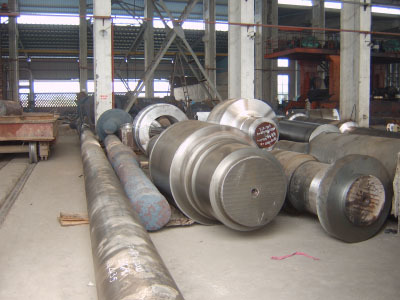
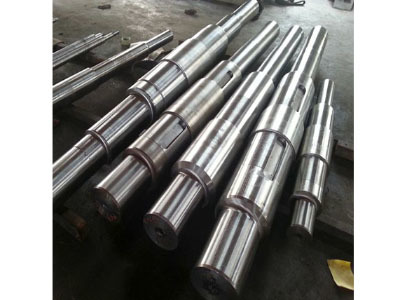
Transmission forged shafts are essential components in various industrial applications, particularly in the realm of mechanical engineering and equipment manufacturing. These shafts are typically made through a forging process, which involves shaping the metal using compressive forces. This process results in a product that possesses superior strength, durability, and resistance to wear compared to traditionally machined shafts.
One of the primary advantages of transmission forged shafts is their enhanced mechanical properties. The forging process aligns the metal's internal grain structure, resulting in a shaft that can withstand higher loads and stresses. This is particularly important in applications where the shaft is subjected to continuous rotational forces, such as in gearboxes or motors. The strength of the shaft directly impacts the overall performance and longevity of the machinery it supports.
In addition to strength, transmission forged shafts also exhibit improved fatigue resistance. This is crucial in environments where the shafts undergo cyclic loading, which can lead to material fatigue over time. The ability to resist fatigue means that these shafts can maintain their performance and reliability even under challenging conditions, reducing the risk of unexpected failures and downtime in industrial operations.
Another significant benefit of using transmission forged shafts is their weight efficiency. Forged shafts can be designed to be lighter than their machined counterparts while still providing the necessary strength and performance. This weight reduction can lead to savings in energy consumption and can enhance the overall efficiency of the machinery. Lighter shafts contribute to a reduction in the overall weight of industrial equipment, which is especially beneficial in applications where space and weight are critical considerations.
Moreover, transmission forged shafts offer versatility in design and application. They can be manufactured in various shapes and sizes, tailored to meet the specific needs of different machinery. This customization allows engineers to create optimal solutions for their equipment, ensuring that the forged shafts fit seamlessly into the design and function of the overall system.
When considering the use of transmission forged shafts, it is important to work with reputable manufacturers who understand the intricacies of the forging process and the specific requirements of your application. Quality control during the manufacturing process is vital to ensure that the shafts meet the necessary standards for performance and safety.
In conclusion, transmission forged shafts are indispensable components in industrial equipment, offering numerous advantages such as enhanced strength, fatigue resistance, weight efficiency, and design versatility. By utilizing these advanced components, industries can improve the reliability and performance of their machinery, ultimately leading to increased productivity and reduced operational costs. Understanding the value of transmission forged shafts allows engineers and decision-makers to make informed choices when selecting components for their industrial applications.
One of the primary advantages of transmission forged shafts is their enhanced mechanical properties. The forging process aligns the metal's internal grain structure, resulting in a shaft that can withstand higher loads and stresses. This is particularly important in applications where the shaft is subjected to continuous rotational forces, such as in gearboxes or motors. The strength of the shaft directly impacts the overall performance and longevity of the machinery it supports.
In addition to strength, transmission forged shafts also exhibit improved fatigue resistance. This is crucial in environments where the shafts undergo cyclic loading, which can lead to material fatigue over time. The ability to resist fatigue means that these shafts can maintain their performance and reliability even under challenging conditions, reducing the risk of unexpected failures and downtime in industrial operations.
Another significant benefit of using transmission forged shafts is their weight efficiency. Forged shafts can be designed to be lighter than their machined counterparts while still providing the necessary strength and performance. This weight reduction can lead to savings in energy consumption and can enhance the overall efficiency of the machinery. Lighter shafts contribute to a reduction in the overall weight of industrial equipment, which is especially beneficial in applications where space and weight are critical considerations.
Moreover, transmission forged shafts offer versatility in design and application. They can be manufactured in various shapes and sizes, tailored to meet the specific needs of different machinery. This customization allows engineers to create optimal solutions for their equipment, ensuring that the forged shafts fit seamlessly into the design and function of the overall system.
When considering the use of transmission forged shafts, it is important to work with reputable manufacturers who understand the intricacies of the forging process and the specific requirements of your application. Quality control during the manufacturing process is vital to ensure that the shafts meet the necessary standards for performance and safety.
In conclusion, transmission forged shafts are indispensable components in industrial equipment, offering numerous advantages such as enhanced strength, fatigue resistance, weight efficiency, and design versatility. By utilizing these advanced components, industries can improve the reliability and performance of their machinery, ultimately leading to increased productivity and reduced operational costs. Understanding the value of transmission forged shafts allows engineers and decision-makers to make informed choices when selecting components for their industrial applications.
多行文本内容元素
富文本内容绑定数据后可解析HTML语言内容
Key words:
News Hotspot