The Critical Role of Flanges for Pressure Piping in Industrial Systems
Release Time:
Dec 04,2025
Flanges for pressure piping provide secure, leak proof connections in high pressure pipelines, ensuring safety, reliability, and efficient fluid flow.

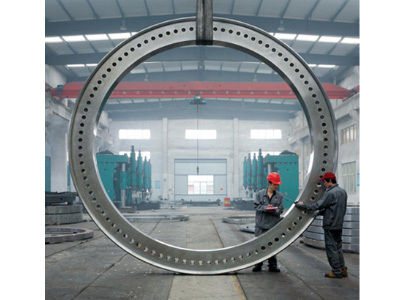
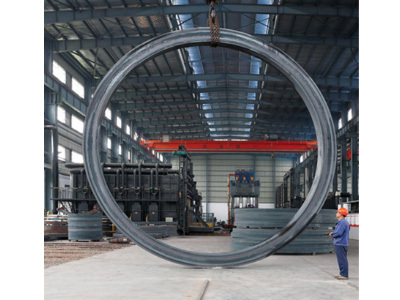
Flanges for pressure piping are essential components in industrial piping systems, playing a crucial role in connecting pipes, valves, pumps, and other equipment. These flanges provide a secure and leak-proof joint, ensuring that fluid or gas flows safely through pipelines under high pressure. The choice of a flange for pressure piping depends on the system’s operational requirements, including pressure rating, temperature range, material compatibility, and environmental conditions.
High-quality flanges for pressure piping are manufactured from robust materials such as stainless steel, carbon steel, or alloy steel. These materials provide excellent resistance to corrosion, high pressure, and temperature variations, which are common in chemical plants, oil refineries, and power generation facilities. The precise design and engineering of these flanges guarantee proper alignment and even distribution of stress, preventing leaks and mechanical failures in critical systems.
There are several types of flanges for pressure piping, including weld neck flanges, slip-on flanges, blind flanges, threaded flanges, and socket weld flanges. Each type has its specific applications. Weld neck flanges are typically used for high-pressure pipelines due to their ability to withstand significant stress and provide a smooth transition between the pipe and flange. Slip-on flanges are easier to install and are suitable for moderate-pressure systems, while blind flanges are often used to seal the end of piping systems for inspection or maintenance. Threaded and socket weld flanges are commonly used in systems where welding is difficult or where future modifications may be required.
The installation of flanges for pressure piping requires careful attention to detail. Proper gasket selection, bolt tightening sequence, and torque specification are crucial to achieve leak-free performance. Incorrect installation can result in uneven stress distribution, leakage, or premature failure, which can disrupt industrial operations and lead to safety hazards. Regular inspection and maintenance of flanges are also necessary to ensure ongoing system reliability. This includes checking for signs of corrosion, cracks, or deformation and replacing gaskets or bolts as needed.
Industrial applications of flanges for pressure piping are diverse. In the oil and gas sector, they are used in pipelines that transport crude oil, natural gas, and refined products under high pressure. In the chemical industry, flanges help manage the flow of reactive and sometimes corrosive chemicals safely. Power plants rely on pressure piping flanges to connect steam lines, cooling systems, and high-pressure water circuits, ensuring efficient and safe energy production. Even in water treatment and food processing plants, flanges play a vital role in maintaining hygienic and leak-proof connections.
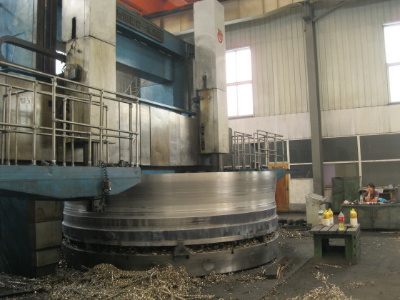
Technological advancements have improved the quality and performance of flanges for pressure piping. Modern manufacturing techniques such as precision forging, CNC machining, and heat treatment enhance the mechanical properties of flanges, making them more resistant to wear, pressure, and environmental stresses. Standardization and compliance with international codes like ASME, ANSI, and ISO also ensure that flanges meet strict safety and performance criteria, allowing them to be used globally across various industries.
Sustainability is becoming an important consideration in flange selection. Materials with longer service life, corrosion resistance, and recyclability are preferred. By choosing the right flange for pressure piping, companies can reduce maintenance costs, prevent environmental hazards due to leaks, and ensure continuous and safe operation of industrial processes. Proper training for personnel in flange installation, inspection, and maintenance further enhances operational safety and efficiency.
In conclusion, the flange for pressure piping is far more than a simple mechanical connector. It is a critical component that ensures the safe, reliable, and efficient operation of industrial piping systems. The right material selection, type of flange, precise installation, and ongoing maintenance are key to optimizing the performance and longevity of pressure piping networks. As industries continue to evolve, flanges will remain essential in supporting safe and efficient transport of fluids and gases under pressure, safeguarding both equipment and personnel.
多行文本内容元素
富文本内容绑定数据后可解析HTML语言内容
Key words:
News Hotspot