Unlocking Efficiency: The Role of Forged Gear Rings in Modern Machinery
Release Time:
Dec 29,2025
Unlocking Efficiency: The Role of Forged Gear Rings in Modern Machinery Table of Contents 1. Introduction to Forged Gear Rings 2. Understanding the Manufacturing Process of Forged Gear Rings 2.1 The Importance of Raw Materials 2.2 The Forging Process Explained 2.3 Quality Control in Gear Ring Production 3. Key Characteristics of Forged Gear Rings 4. Applications of Forged Gear Rings in Various Ind

Unlocking Efficiency: The Role of Forged Gear Rings in Modern Machinery
Table of Contents
1. Introduction to Forged Gear Rings
2. Understanding the Manufacturing Process of Forged Gear Rings
2.1 The Importance of Raw Materials
2.2 The Forging Process Explained
2.3 Quality Control in Gear Ring Production
3. Key Characteristics of Forged Gear Rings
4. Applications of Forged Gear Rings in Various Industries
4.1 Automotive Industry
4.2 Aerospace Applications
4.3 Industrial Machinery
5. Advantages of Using Forged Gear Rings
6. Challenges in Forged Gear Ring Production
7. Future Trends in Forged Gear Ring Technology
8. Frequently Asked Questions (FAQs)
9. Conclusion
1. Introduction to Forged Gear Rings
Forged gear rings serve as a cornerstone in the realm of modern machinery, playing an integral role in ensuring operational efficiency across various industries. Their unique manufacturing process allows for enhanced strength and durability, making them a preferred choice in demanding applications. As machinery continues to advance, the significance of these components cannot be overstated.
2. Understanding the Manufacturing Process of Forged Gear Rings
The creation of forged gear rings involves a series of meticulous steps, each contributing to the final product's performance and reliability.
2.1 The Importance of Raw Materials
The quality of raw materials is paramount in the production of forged gear rings. Typically, high-grade steel alloys are utilized to ensure optimal mechanical properties. The choice of material directly influences the gear ring's strength, ductility, and resistance to wear and fatigue.
2.2 The Forging Process Explained
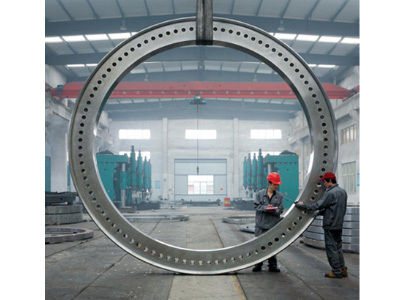
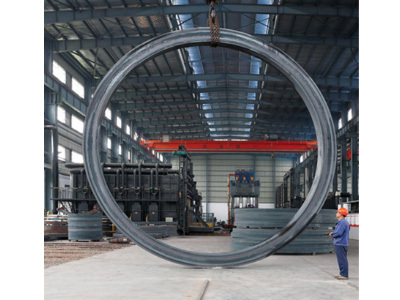
The forging process involves shaping the metal through compressive forces, which can be achieved through various techniques such as open-die or closed-die forging. This method aligns the internal grain structure of the metal, enhancing its strength and making it ideal for high-stress applications.
2.3 Quality Control in Gear Ring Production
After the forging process, rigorous quality control measures are implemented to ensure that each gear ring meets industry standards. This includes dimensional inspections, non-destructive testing, and mechanical property evaluations. Such thorough checks guarantee that only the highest quality products reach the market.
3. Key Characteristics of Forged Gear Rings
Forged gear rings are characterized by several key features that set them apart from other manufacturing methods:
- **High Strength-to-Weight Ratio**: Their forged nature offers superior strength without significant weight increase.
- **Improved Durability**: Forged gear rings exhibit excellent resistance to wear and tear, making them reliable for prolonged use.
- **Enhanced Precision**: The forging process allows for tighter tolerances and improved dimensional accuracy.
- **Versatility**: They can be designed to fit various applications, making them suitable for diverse industrial needs.
4. Applications of Forged Gear Rings in Various Industries
The versatility and reliability of forged gear rings make them indispensable in multiple sectors.
4.1 Automotive Industry
In the automotive sector, forged gear rings are critical components in transmissions and drive systems. Their ability to withstand high torque and extreme conditions ensures vehicles operate smoothly and efficiently.
4.2 Aerospace Applications
The aerospace industry demands the utmost precision and reliability. Forged gear rings are used in various systems, including landing gear and engine components, where performance and safety are paramount.
4.3 Industrial Machinery
Industrial machinery relies heavily on forged gear rings for power transmission. Their robust design allows for sustained performance in heavy machinery, contributing to overall productivity and efficiency.
5. Advantages of Using Forged Gear Rings
Adopting forged gear rings offers numerous advantages that enhance operational capabilities:
- **Cost-Effectiveness**: While the initial investment may be higher, the long lifespan and reduced maintenance costs of forged gear rings lead to significant savings.
- **Enhanced Performance**: The structural integrity of forged gear rings allows machines to operate at higher efficiencies, boosting overall productivity.
- **Customizability**: Manufacturers can tailor forged gear rings to meet specific application requirements, ensuring optimal functionality.
6. Challenges in Forged Gear Ring Production
Despite their advantages, the production of forged gear rings is not without challenges. These can include:
- **High Production Costs**: The forging process can be expensive due to the need for specialized equipment and skilled labor.
- **Material Waste**: Forging can lead to material waste, particularly if the initial design is not optimized.
- **Technical Expertise**: Producing high-quality forged gear rings requires a deep understanding of metallurgy and manufacturing processes.
7. Future Trends in Forged Gear Ring Technology
The future of forged gear rings is promising, with several trends shaping the landscape:
- **Advancements in Materials**: New alloys and composites are being developed, offering improved performance characteristics.
- **Sustainable Manufacturing Practices**: The industry is moving toward environmentally friendly practices, reducing waste and energy consumption.
- **Increased Automation**: Automation and smart manufacturing technologies are enhancing production efficiency and consistency.
8. Frequently Asked Questions (FAQs)
What are forged gear rings made of?
Forged gear rings are typically made from high-grade steel alloys, which provide enhanced strength and durability.
How does the forging process improve gear ring performance?
The forging process aligns the metal’s grain structure, resulting in improved strength, durability, and wear resistance.
What industries use forged gear rings?
Forged gear rings are widely used in the automotive, aerospace, and industrial machinery sectors, among others.
What advantages do forged gear rings offer over cast gear rings?
Forged gear rings are generally stronger, more durable, and offer better precision compared to cast gear rings.
Are forged gear rings customizable?
Yes, manufacturers can customize forged gear rings to meet specific application requirements, enhancing their functionality.
9. Conclusion
Forged gear rings play a critical role in modern machinery, contributing to efficiency, reliability, and performance across various industries. Understanding their manufacturing process, characteristics, and applications highlights their importance in today’s competitive landscape. As technology continues to evolve, the advancements in forged gear rings will undoubtedly pave the way for even greater efficiencies and innovations in machinery. Embracing these components can be a game-changer for industries seeking to optimize their operations and achieve sustainable growth.
多行文本内容元素
富文本内容绑定数据后可解析HTML语言内容
Key words:
News Hotspot