Understanding Alloy Steel Gear Rings for Industrial Transmission: A Key Component in Metalworking Machinery
Release Time:
Aug 25,2025
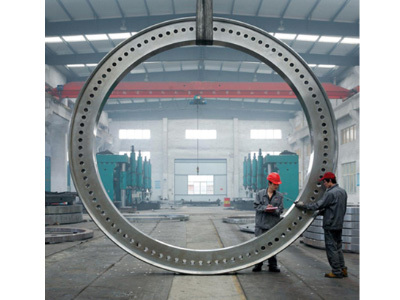
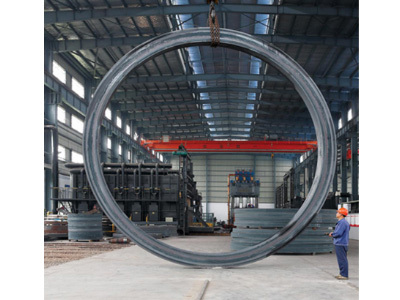
In the realm of manufacturing and metalworking machinery, the role of alloy steel gear rings cannot be overstated. These components are critical for ensuring smooth and efficient transmission of power within mechanical systems, making them essential for various industrial applications. Alloy steel gear rings are designed to withstand high levels of stress and wear, which is crucial for maintaining

In the realm of manufacturing and metalworking machinery, the role of alloy steel gear rings cannot be overstated. These components are critical for ensuring smooth and efficient transmission of power within mechanical systems, making them essential for various industrial applications. Alloy steel gear rings are designed to withstand high levels of stress and wear, which is crucial for maintaining the operational integrity of machinery used in metal processing.
Alloy steel, as a material, offers improved strength and toughness compared to standard carbon steel. It contains elements such as chromium, nickel, and molybdenum, which enhance its mechanical properties. This makes alloy steel gear rings particularly well-suited for applications where high torque and durability are required. By utilizing alloy steel, manufacturers can create gear rings that not only perform well under extreme conditions but also have a longer lifespan, reducing the frequency of replacements and maintenance.
In industrial transmission systems, gear rings engage with other gears to facilitate the transfer of motion and power. Their design often features precision-engineered teeth that ensure optimal meshing with corresponding gears. This precision is paramount; it minimizes backlash and enhances the overall efficiency of the machine. As a result, metalworking machinery equipped with high-quality alloy steel gear rings can operate more smoothly, which translates into improved productivity and reduced operational costs.
The applications for alloy steel gear rings are vast. They are commonly found in various machinery used in manufacturing processes such as milling, turning, and drilling. Additionally, these gear rings are integral components in heavy equipment like cranes, conveyors, and robotic arms, where reliable performance is essential. Their ability to perform under high loads and harsh conditions makes them a preferred choice for manufacturers aiming to optimize their equipment.
Moreover, the maintenance of alloy steel gear rings is relatively straightforward, provided that proper lubrication and periodic inspections are conducted. Regular maintenance can help identify wear and tear early on, allowing for timely interventions that prevent larger issues from arising. This proactive approach not only enhances the longevity of the gear rings but also contributes to the overall efficiency of the machinery.
In summary, alloy steel gear rings play a vital role in the industrial transmission systems of metalworking machinery. Their superior mechanical properties, durability, and application versatility make them indispensable in the manufacturing sector. By understanding the significance and advantages of these components, manufacturers can make informed decisions that lead to enhanced machine performance and operational efficiency. Whether it's in the design, selection, or maintenance of gear rings, knowledge about alloy steel can significantly impact productivity outcomes in the industrial landscape.
多行文本内容元素
富文本内容绑定数据后可解析HTML语言内容
Key words:
News Hotspot