Exploring the Benefits of Alloy Steel Gear Rings in Industrial Transmission
Release Time:
Aug 21,2025
Exploring the Benefits of Alloy Steel Gear Rings in Industrial Transmission Introduction to Alloy Steel Gear Rings In the rapidly evolving landscape of industrial manufacturing, gear rings made from **alloy steel** have emerged as key components in enhancing the efficiency and reliability of transmission systems. These gears are designed to withstand substantial loads and stresses while maintainin

Exploring the Benefits of Alloy Steel Gear Rings in Industrial Transmission
Introduction to Alloy Steel Gear Rings
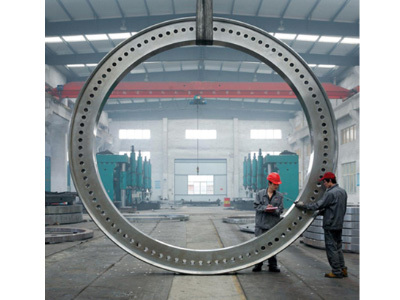
In the rapidly evolving landscape of industrial manufacturing, gear rings made from **alloy steel** have emerged as key components in enhancing the efficiency and reliability of transmission systems. These gears are designed to withstand substantial loads and stresses while maintaining their structural integrity. In this article, we will explore the numerous benefits of alloy steel gear rings, their applications, and how they compare to alternative materials.
What is Alloy Steel?
Alloy steel refers to steel that has been alloyed with various elements to improve its mechanical properties. These elements may include chromium, nickel, molybdenum, and vanadium, among others. The resulting material possesses enhanced strength, toughness, and wear resistance, making it ideal for demanding applications in industrial transmission.
The Role of Alloying Elements in Gear Performance
The addition of alloying elements significantly influences the performance characteristics of gear rings. For example:
- **Chromium** enhances hardness and improves wear resistance.
- **Nickel** increases toughness and ductility, making the gear less prone to cracking.
- **Molybdenum** contributes to high-temperature strength and resistance to corrosion.
By optimizing these properties, manufacturers can produce gear rings that outperform standard carbon steel components.
Key Advantages of Alloy Steel Gear Rings
1. Exceptional Strength and Durability
One of the primary benefits of alloy steel gear rings is their exceptional strength. These components are engineered to handle heavy loads without deformation, making them ideal for high-stress environments. The durability of alloy steel ensures a longer lifespan compared to traditional materials, reducing the need for frequent replacements.
2. Superior Wear Resistance
In industrial applications, wear and tear can lead to significant downtime and maintenance costs. Alloy steel gear rings exhibit outstanding wear resistance due to their hard surface and superior material properties. This attribute ensures smooth operation over extended periods, minimizing the risk of gear failure.
3. Enhanced Load-Bearing Capacity
Alloy steel gear rings can support greater loads compared to standard gears. Their ability to distribute stress evenly across the gear surface reduces the likelihood of stress concentrations, which can lead to premature failure. This enhanced load-bearing capacity makes them suitable for applications ranging from automotive to heavy machinery.
4. Resistance to Environmental Factors
Industrial environments often expose components to harsh conditions, including extreme temperatures, corrosive substances, and moisture. Alloy steel gear rings are designed with these factors in mind, offering improved resistance to corrosion and oxidation. This resilience extends the operational life of the gear rings and ensures reliability.
5. Cost-Effectiveness in the Long Run
While the initial cost of alloy steel gear rings may be higher than conventional materials, their longevity and reduced maintenance requirements lead to significant cost savings over time. Investing in high-quality gear rings can decrease operational disruptions and replacement costs, making them a smart choice for manufacturers.
Applications of Alloy Steel Gear Rings in Industry
Alloy steel gear rings find applications across various sectors, each benefiting from their unique properties.
Automotive Industry
In the automotive sector, alloy steel gear rings are essential components in transmissions, differential gears, and drive shafts. Their strength and durability ensure reliable performance in vehicles, contributing to safety and efficiency.
Manufacturing and Heavy Machinery
In manufacturing environments, heavy machinery relies on robust gear systems to function effectively. Alloy steel gear rings can withstand the high torque and stress experienced during operations, ensuring smooth and efficient machinery performance.
Aerospace Sector
The aerospace industry demands materials that can withstand extreme conditions. Alloy steel gear rings are used in various aircraft components, providing the necessary strength-to-weight ratio and resistance to fatigue.
Energy Sector
In renewable energy applications, such as wind turbines, gear rings play a critical role in transmitting power from the blades to the generator. The reliability and efficiency of alloy steel gear rings are vital for maximizing energy output.
Comparing Alloy Steel to Other Materials
In the quest for the best gear ring materials, it is important to compare alloy steel to other options, such as carbon steel and plastic.
1. Alloy Steel vs. Carbon Steel
While carbon steel is less expensive, it does not offer the same level of strength and wear resistance as alloy steel. Consequently, gear rings made from carbon steel are more susceptible to wear and can fail under heavy loads, leading to increased maintenance costs.
2. Alloy Steel vs. Plastic Gears
Plastic gears are lightweight and resistant to corrosion but lack the strength required for high-load applications. Alloy steel gear rings outperform plastic in terms of durability and load capacity, making them a preferred choice for heavy-duty machinery.
Manufacturing Processes for Alloy Steel Gear Rings
The production of alloy steel gear rings involves several key manufacturing processes to ensure their quality and performance.
1. Forging
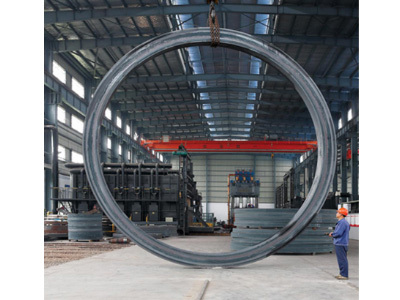
Forging is a common manufacturing technique that shapes the gear rings through the application of compressive forces. This process aligns the grain structure of the metal, enhancing its strength and toughness.
2. Machining
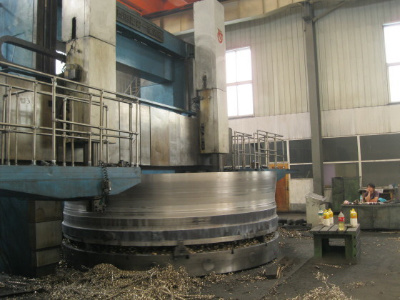
After forging, machining is performed to achieve precise dimensions and tolerances. Techniques such as milling, turning, and grinding are employed to create the final gear ring shape.
3. Heat Treatment
Heat treatment processes, including quenching and tempering, are applied to enhance the hardness and toughness of the alloy steel. This step is crucial for ensuring the gear rings can withstand operational stresses.
Maintenance Tips for Alloy Steel Gear Rings
To maximize the lifespan of alloy steel gear rings, proper maintenance practices should be followed.
1. Regular Inspections
Conduct routine inspections to identify signs of wear or damage. Early detection can prevent catastrophic failures and extend the life of the gear rings.
2. Lubrication
Ensure proper lubrication to reduce friction and wear. Selecting the right lubricant for the application is vital for maintaining gear performance.
3. Correct Alignment
Misalignment can lead to uneven wear and stress concentrations. Regular checks and adjustments can help maintain proper alignment, ensuring smooth operation.
Future Trends in Alloy Steel Gear Ring Technology
As technology evolves, so does the manufacturing of alloy steel gear rings. Future trends may include:
1. Advanced Alloys
The development of new alloy compositions can lead to improved performance characteristics, such as enhanced corrosion resistance and strength at elevated temperatures.
2. Additive Manufacturing
Additive manufacturing techniques, such as 3D printing, may revolutionize gear production by allowing for more complex designs and reduced waste in the manufacturing process.
3. Smart Gear Systems
Incorporating sensors and IoT technology can lead to smarter gear systems capable of real-time monitoring and predictive maintenance, further enhancing operational efficiency.
FAQs About Alloy Steel Gear Rings
1. What is the primary advantage of using alloy steel gear rings?
The primary advantage is their exceptional strength and durability, making them ideal for high-stress applications.
2. How do alloy steel gear rings compare to carbon steel?
Alloy steel gear rings offer superior wear resistance and load-bearing capacity compared to carbon steel.
3. Can alloy steel gear rings be used in corrosive environments?
Yes, alloy steel gear rings are designed to resist corrosion and oxidation, making them suitable for harsh environments.
4. What industries commonly use alloy steel gear rings?
These gear rings are widely used in the automotive, manufacturing, aerospace, and energy sectors.
5. How can I maintain alloy steel gear rings for optimal performance?
Regular inspections, proper lubrication, and ensuring correct alignment are key maintenance practices to follow.
Conclusion
Alloy steel gear rings play a crucial role in modern industrial transmission systems, offering a range of benefits such as superior strength, durability, and resistance to wear and environmental factors. Their versatility allows for widespread applications across various industries, making them a preferred choice for manufacturers seeking reliable and efficient components. As technology continues to advance, we can expect further innovations in alloy steel gear rings, ensuring they remain at the forefront of industrial manufacturing. By investing in these high-performance components, businesses can achieve long-term operational efficiency and significant cost savings.
多行文本内容元素
富文本内容绑定数据后可解析HTML语言内容
Key words:
News Hotspot