Precision Machined Rings: Essential Components for the Energy Sector
Release Time:
Oct 01,2025
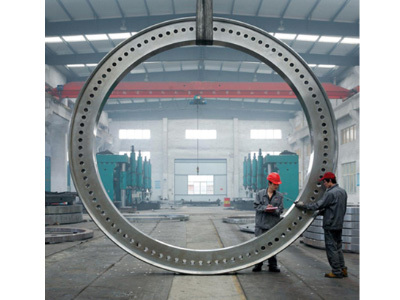
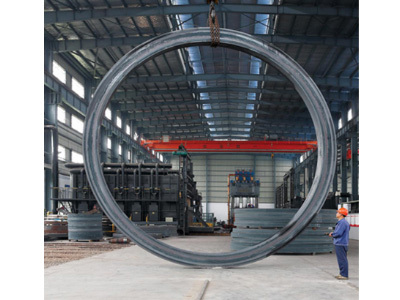
Precision machined rings are crucial components widely used in the energy sector, where reliability, durability, and precision are paramount. These rings serve various functions, including sealing, bearing, and structural support, which are essential for the efficient operation of energy systems. The manufacturing process of precision machined rings involves a combination of advanced machining tec

Precision machined rings are crucial components widely used in the energy sector, where reliability, durability, and precision are paramount. These rings serve various functions, including sealing, bearing, and structural support, which are essential for the efficient operation of energy systems. The manufacturing process of precision machined rings involves a combination of advanced machining techniques and high-quality materials, ensuring that the final products meet stringent industry standards.
The energy sector encompasses various fields, including oil and gas, renewable energy, and power generation. Precision machined rings are utilized in several applications within these fields. For instance, in the oil and gas industry, these rings are used in pumps, compressors, and valves, where they help maintain tight seals under high-pressure conditions. In wind turbines, precision machined rings are critical in gearboxes and rotor assemblies, contributing to the overall performance and longevity of the equipment.
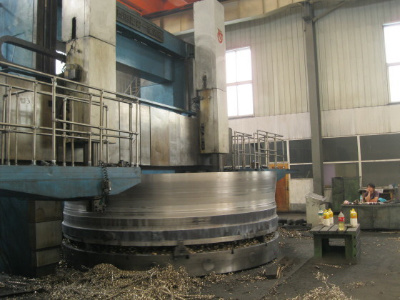
One of the key factors that distinguishes precision machined rings from standard rings is the manufacturing process. Precision machining involves CNC (computer numerical control) technology, which allows for highly accurate and repeatable production. This method ensures that the dimensions of each ring are within tight tolerances, which is essential for their performance in demanding energy applications.
Moreover, the materials used for manufacturing these rings are carefully selected based on their mechanical properties and resistance to environmental factors. Common materials include stainless steel, aluminum alloys, and specialized polymers that can withstand harsh conditions such as high temperatures, corrosive environments, and heavy loads. This selection process is critical to ensure the longevity and reliability of the rings in various energy applications.
In addition to their functional applications, precision machined rings also contribute to the overall efficiency of energy systems. By ensuring proper sealing and reducing friction in moving parts, these rings help minimize energy losses and enhance the operational efficiency of machinery. This can lead to reduced operational costs and improved sustainability, making them an essential investment for energy sector companies.
In conclusion, precision machined rings are indispensable components in the energy sector, playing a vital role in maintaining the efficiency and reliability of various systems. Their precise manufacturing processes, coupled with the use of high-quality materials, ensure that these rings perform optimally under challenging conditions. As the energy sector continues to evolve, the demand for precision machined rings will likely increase, underscoring their importance in advancing energy technologies and applications.
多行文本内容元素
富文本内容绑定数据后可解析HTML语言内容
Key words:
News Hotspot