Exploring the Benefits of Stainless Steel Forged Rings in Wind Turbine Applications
Release Time:
Jul 31,2025
Stainless steel forged rings have emerged as a pivotal component in the manufacturing of wind turbines, thanks to their unique combination of strength, corrosion resistance, and durability. In the fast-evolving field of renewable energy, particularly wind energy, these components are essential to ensure that turbines can withstand the harsh environmental conditions they often face. One of the prim

Stainless steel forged rings have emerged as a pivotal component in the manufacturing of wind turbines, thanks to their unique combination of strength, corrosion resistance, and durability. In the fast-evolving field of renewable energy, particularly wind energy, these components are essential to ensure that turbines can withstand the harsh environmental conditions they often face.
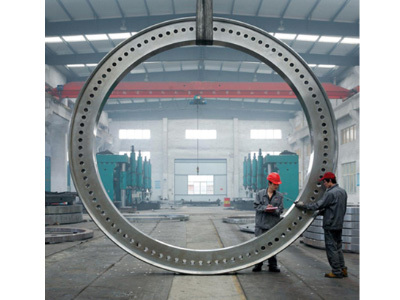
One of the primary advantages of stainless steel forged rings is their superior mechanical properties. The forging process enhances the material's strength and toughness, making these rings ideal for applications that require high resistance to wear and stress. This is particularly important in wind turbines, where components experience significant loads and vibrations during operation. By using forged rings, manufacturers can ensure that the turbine’s structural integrity is maintained even under extreme conditions.
Furthermore, stainless steel is naturally resistant to corrosion, a crucial factor in offshore and coastal wind turbine installations where exposure to saltwater can lead to rapid degradation of materials. The inherent properties of stainless steel not only extend the lifespan of the components but also reduce maintenance costs over time, thereby increasing the overall efficiency of wind turbine operations.
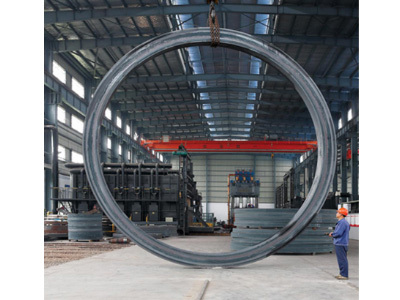
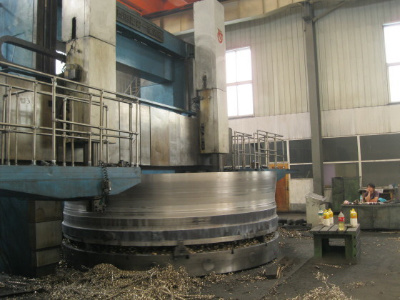
Manufacturing stainless steel forged rings involves a series of processes that include heating the metal and shaping it using specialized forging machinery. This method allows for precise control over the material properties, ensuring that the rings meet specific tolerances and performance requirements. The forging process also results in a fine-grained microstructure that further enhances the mechanical properties of the rings, contributing to their reliability in wind turbine applications.
In addition to their functional benefits, stainless steel forged rings can also be customized to meet specific design requirements. Manufacturers can tailor the size, thickness, and other dimensions of these rings to fit the unique needs of different turbine models. This level of customization ensures optimal performance and compatibility with various components of the turbine, further solidifying the role of forged rings in the wind energy sector.
In conclusion, stainless steel forged rings play an indispensable role in the manufacturing and operation of wind turbines. Their enhanced strength, corrosion resistance, and customization options make them a preferred choice for manufacturers aiming to produce reliable and efficient wind energy systems. As the demand for renewable energy continues to rise, the significance of high-quality components such as stainless steel forged rings will only increase, underscoring their importance in the sustainable energy landscape.
多行文本内容元素
富文本内容绑定数据后可解析HTML语言内容
Key words:
News Hotspot